

AI Fear Across Generations
AI-generated “danger clips” now move faster than verified news.
On WhatsApp, WeChat, Douyin and TikTok, short videos about crime, disaster or homelessness are often treated as real warnings rather than synthetic images.
DISTANCE.AI follows one family living across borders to see how parents, children and grandparents react to the same clips, and how those reactions reshape trust, care and distance.
Explore interviews, audio stories and explainers that unpack the emotional and technical machinery behind AI-driven fear.
Follow Us
Top Stories
Cross-border Misinformation Panic: Why Different Generations in China React Differently to AI Danger Clips
AI danger clips in family chats: a practical guide for students and parents
Why AI-generated fear spreads so fast: A quick guide to platform dynamics
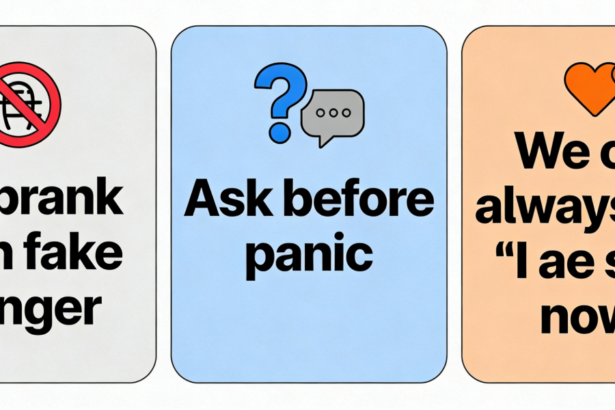
AI danger clips in family chats: a practical guide for students and parents

Cross-border Misinformation Panic: Why Different Generations in China React Differently to AI Danger Clips
More News
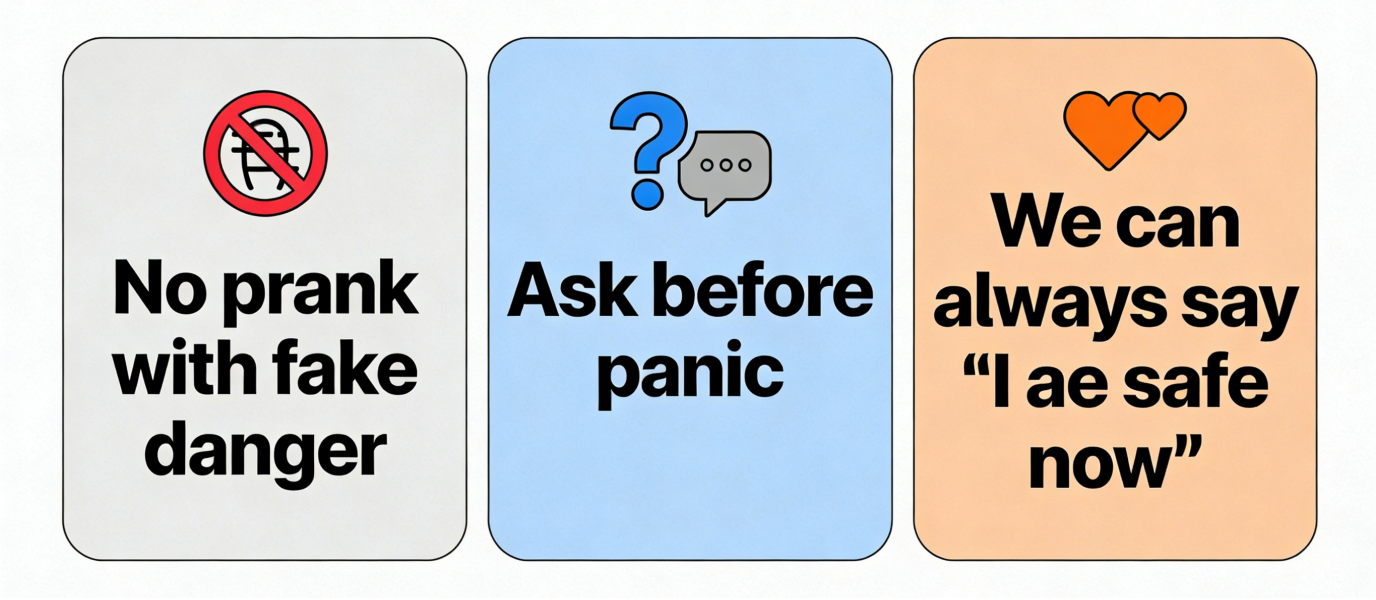
AI danger clips in family chats: a practical guide for students and parents
As AI generated danger clips spread on TikTok and WeChat, families need simple habits to protect trust, context and safety.…

Cross-border Misinformation Panic: Why Different Generations in China React Differently to AI Danger Clips
In the dialogue box of many multinational families, a few seconds of AI “danger clip” is enough to ignite all…
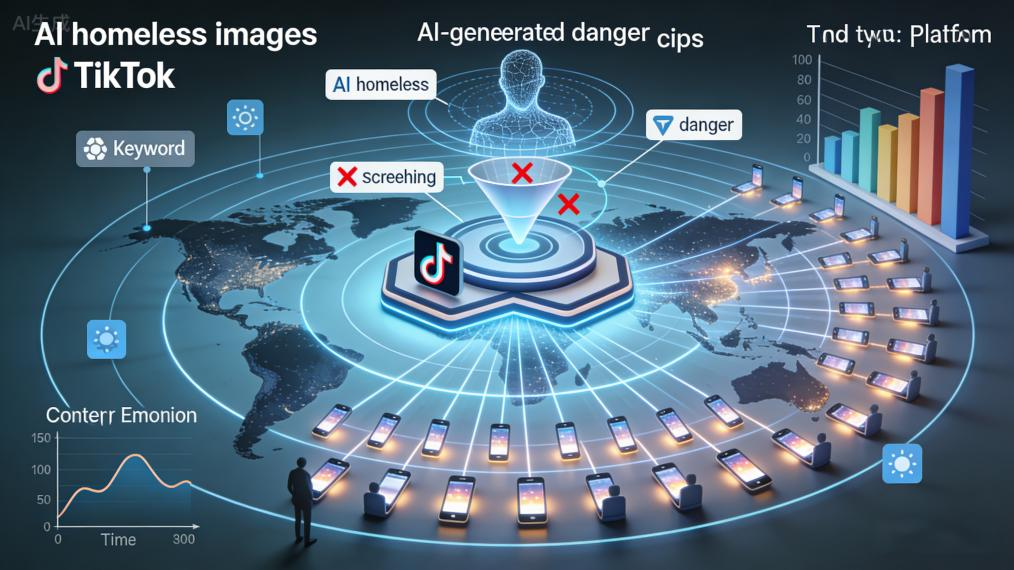
Why AI-generated fear spreads so fast: A quick guide to platform dynamics
Illustration showing how AI-generated “homeless” and danger clips spread across TikTok and Instagram, shaping user fear and confusion. Image generated…